
Expert Parenting Guidance

Potty Training Blog

Expert tips, proven strategies, and practical advice to make potty training successful and stress-free for your family

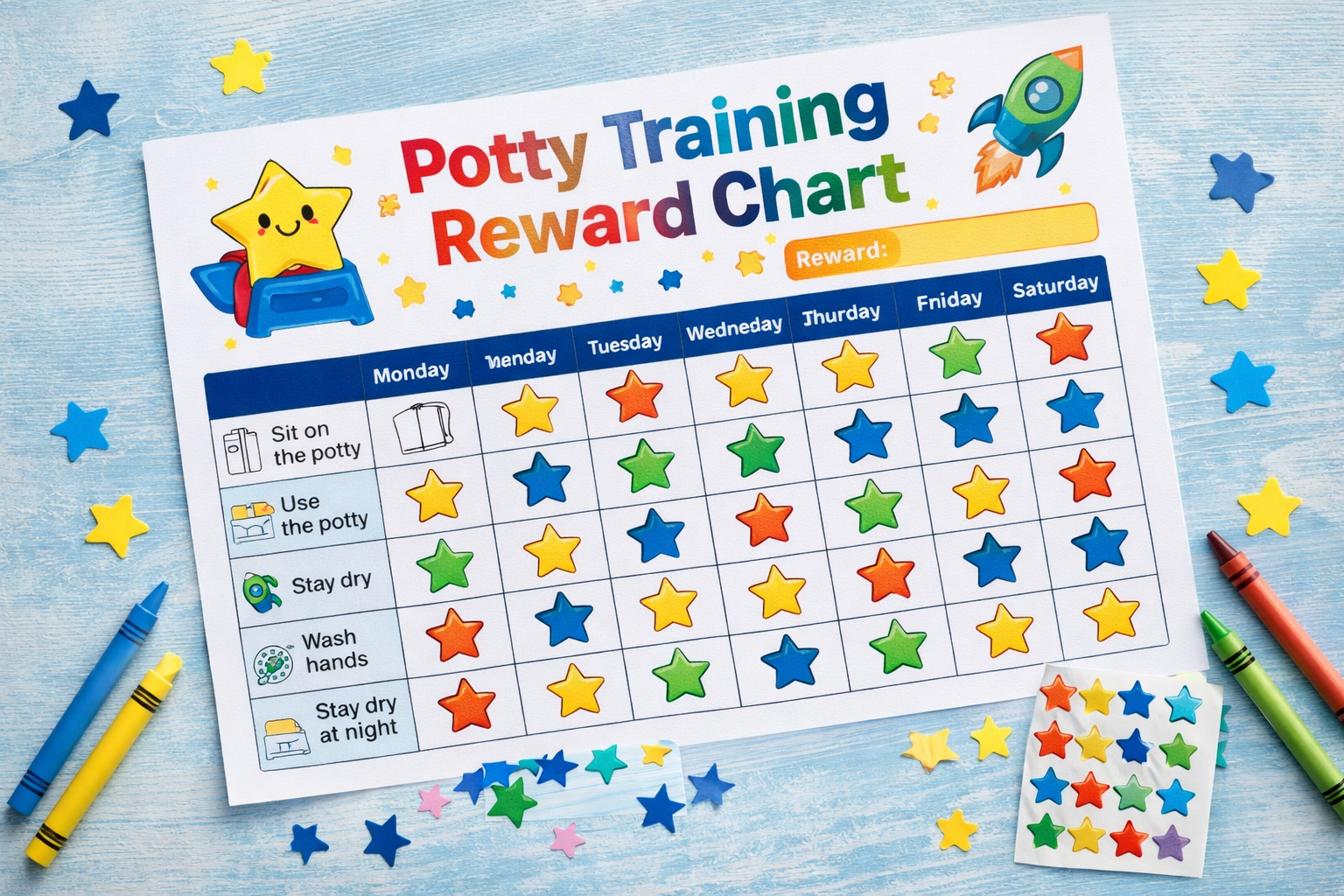
Colorful potty training reward chart with star stickers, weekly tracking grid, and activities including sit on potty, use the potty, stay dry, wash hands, and nighttime dryness
Rewards & Motivation

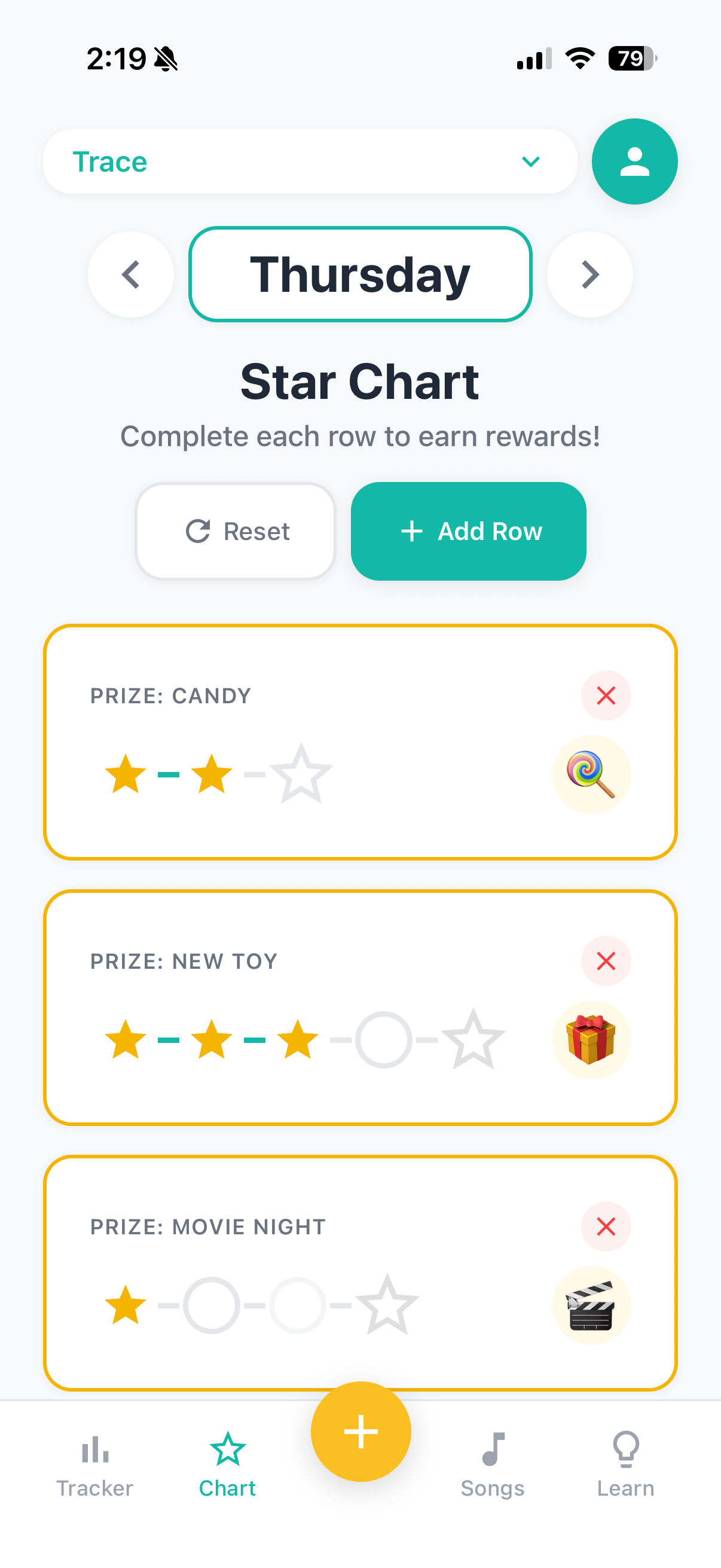
Free Potty Training Reward Chart: Motivate Your Toddler with Stars

Discover how reward charts can transform potty training and why digital star systems work better than printable charts.

Read Full Guide
Happy parent celebrating with toddler on potty during 3-day potty training method
Popular Method

The 3-Day Potty Training Method: Does It Really Work?

Everything you need to know about the intensive 3-day method, including preparation tips and realistic expectations.

Read Article
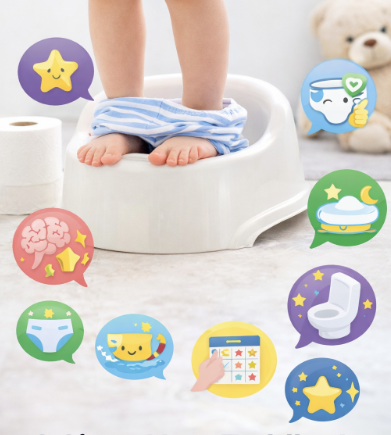
Toddler feet on white potty with colorful readiness icons showing stars, charts, and potty training symbols
Getting Started

10 Signs Your Toddler Is Ready for Potty Training

Learn the physical, cognitive, and behavioral signs that indicate your child is ready to start potty training.

Read Article
Potty training regression
Troubleshooting

Potty Training Regression: Why It Happens and How to Fix It

Understanding why toddlers regress and proven strategies to get back on track without frustration.

Read Article
Potty training schedule
Schedules & Timing

Potty Training Schedule by Age: When and How to Start

Age-specific potty training schedules and timelines for 18 months, 2 years, 3 years, and beyond.

Read Article
Stubborn toddler
Behavior Solutions

How to Potty Train a Stubborn Toddler: 7 Proven Strategies

Expert strategies for dealing with resistance, refusal, and power struggles during potty training.

Read Article
Nighttime potty training
Advanced Training

Potty Training at Night: When to Ditch the Pull-Ups

Complete guide to nighttime potty training, including readiness signs and managing bedwetting.

Read Article
Potty training tips
Essential Tips

15 Potty Training Tips That Actually Work (From Real Parents)

Tried-and-tested potty training tips from parents who've successfully trained thousands of toddlers.

Read Article
Toddler refusing potty
Common Problems

Why Kids Refuse to Potty Train (And What to Do About It)

Understanding the psychology behind potty training refusal and gentle strategies to overcome resistance.

Read Article
Potty training rewards
Motivation

10 Potty Training Rewards That Actually Motivate Toddlers

The best reward systems and incentives that keep toddlers excited about potty training success.

Read Article
Rewards & Motivation

Free Potty Training Reward Chart: Motivate Your Toddler with Stars

8 min read Updated March 2026
Colorful potty training reward chart with star stickers, weekly tracking grid, and activities including sit on potty, use the potty, stay dry, wash hands, and nighttime dryness

You've been trying for weeks. Your toddler sits on the potty, stands up immediately, and then has an accident five minutes later. You're exhausted from constant reminders, frustrated by the lack of progress, and wondering if you're doing something wrong.

You're not alone. Thousands of parents face this exact challenge every single day.

The Real Problem: Motivation

The problem isn't your child, your parenting, or your approach. The issue is motivation.

Toddlers need a compelling reason to change their behavior. Without clear, immediate, visual rewards, they simply don't see the point of using the potty. This is where potty training reward charts come in.

Why Potty Training Reward Charts Actually Work

Potty training reward charts have been used by parents for decades because they tap into fundamental child psychology. When toddlers see visual progress—like colorful stars accumulating on a chart—their brains release dopamine, the "feel-good" chemical that reinforces positive behavior.

Research in child development shows that immediate, visual rewards are significantly more effective for toddlers than verbal praise alone. Why? Because toddlers aged 2-4 are highly visual learners. They can't yet fully understand abstract concepts like "you're doing great," but they absolutely understand "I got three stars today!"

Here's What Makes Reward Charts So Powerful:

Immediate Feedback

Every successful potty visit gets instant reward

Visual Progress

Children see their success accumulating

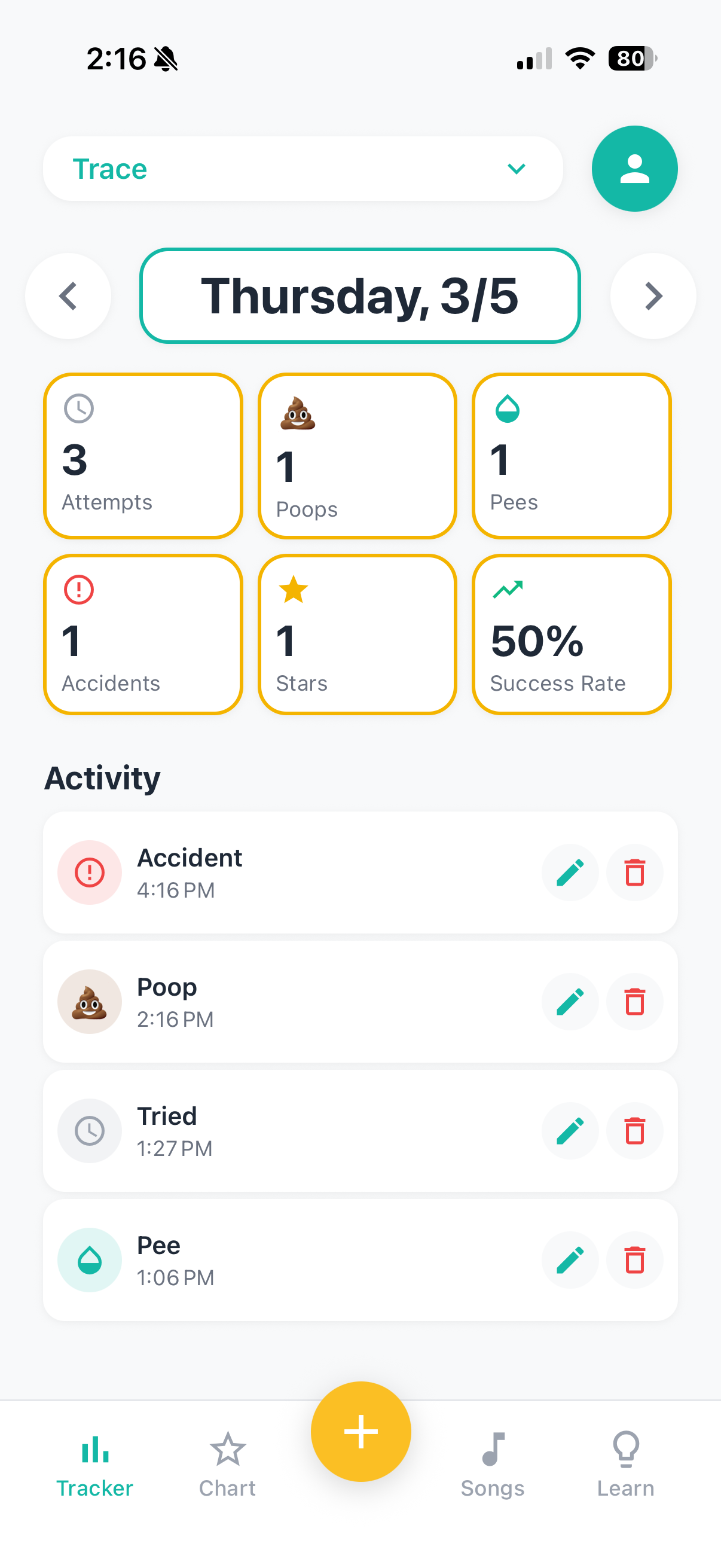
Achievable Goals

Breaking training into small, winnable steps

Ownership

Kids feel proud of "their" chart and achievements

Consistency

Creates a predictable routine children can rely on

The Problem with Printable Reward Charts

Most parents start with printable potty training charts from Pinterest or parenting blogs. While these free resources seem convenient, they come with significant challenges:

They get lost. Paper charts fall behind the toilet, get thrown away by accident, or become victims of toddler destruction (torn, drawn on, or wadded up).

They're not portable. When you're out at the grocery store, restaurant, or grandma's house, your chart is at home. Missed opportunities for reinforcement.

They lack engagement. Static paper charts can become boring quickly. There's no animation, no sound effects, no celebration—just stickers that sometimes fall off.

They're hard to update. Ran out of star stickers? Now you need to run to the store. Your toddler had a successful potty visit 10 minutes ago, but the moment has passed.

Why Digital Reward Charts Are More Effective

Modern parents are discovering that digital potty training reward charts solve every problem that printable charts create. Here's why they work better:

Always Accessible

Your phone is always with you. Whether you're at home, at daycare, or visiting relatives, you can instantly reward your child's success. This consistency is crucial for behavior reinforcement.

Instant Gratification

The moment your child uses the potty, you tap your screen and stars appear with fun animations and sounds. This immediate positive reinforcement is exactly what toddler brains respond to.

Never Gets Lost or Damaged

Digital charts live in the cloud, syncing across all your devices. Even if you drop your phone in the toilet (hey, it happens), your child's progress is safe and backed up.

More Engaging for Modern Kids

Today's toddlers are digital natives. They're already familiar with touchscreens, animations, and interactive content. A digital reward chart feels natural and exciting to them.

Data-Driven Insights

Digital charts track patterns you might miss. You'll notice your child has more success after morning naps, or struggles at certain times of day. This information helps you optimize your approach.

How to Use a Potty Training Reward Chart Effectively

Whether you choose printable or digital, success comes from consistent implementation. Follow these proven strategies:

  1. Introduce the chart with excitement. Show your toddler the chart and explain, "Every time you use the potty, you get a star! When you get [X] stars, you earn [reward]."
  2. Reward attempts, not just successes. Especially in the beginning, give stars for sitting on the potty, even without results. This builds the habit.
  3. Make reward time celebratory. Don't just add a star—make it an event! Clap, cheer, do a little dance. Your enthusiasm is contagious.
  4. Set realistic goals. Start with small milestones (5 stars = small reward) before moving to bigger goals.
  5. Be consistent. Every single success gets a reward. No exceptions, no forgetting. Consistency is everything.

The StarTrack Potty App: Your Digital Reward Chart Solution

Many parents have discovered that digital reward charts make potty training significantly easier and more successful. Instead of managing printable charts, sticker sheets, and manual tracking, everything happens in one place.

The StarTrack Potty app includes a beautiful, animated digital star chart that celebrates every potty success with your child. Each time your toddler uses the potty, you tap your screen and colorful stars appear with fun sounds and animations. Your child sees their progress growing in real-time, building excitement and motivation.

Why Parents Love StarTrack Potty's Digital Reward Chart:

  • Never lose your child's progress—everything syncs to the cloud
  • Works across all devices so parents and caregivers stay coordinated
  • Fun animations and sounds that toddlers absolutely love
  • Automatic progress tracking and weekly reports showing patterns
  • Multiple child profiles so you can track siblings separately

Beyond the Chart: Complete Potty Training Support

While reward charts are powerful, they work best as part of a comprehensive approach. The most successful parents combine visual rewards with:

  • Consistent schedules: Taking your child to the potty at regular intervals
  • Positive language: Celebrating successes and downplaying accidents
  • Age-appropriate expectations: Understanding that setbacks are normal
  • Patience: Remembering that every child learns at their own pace

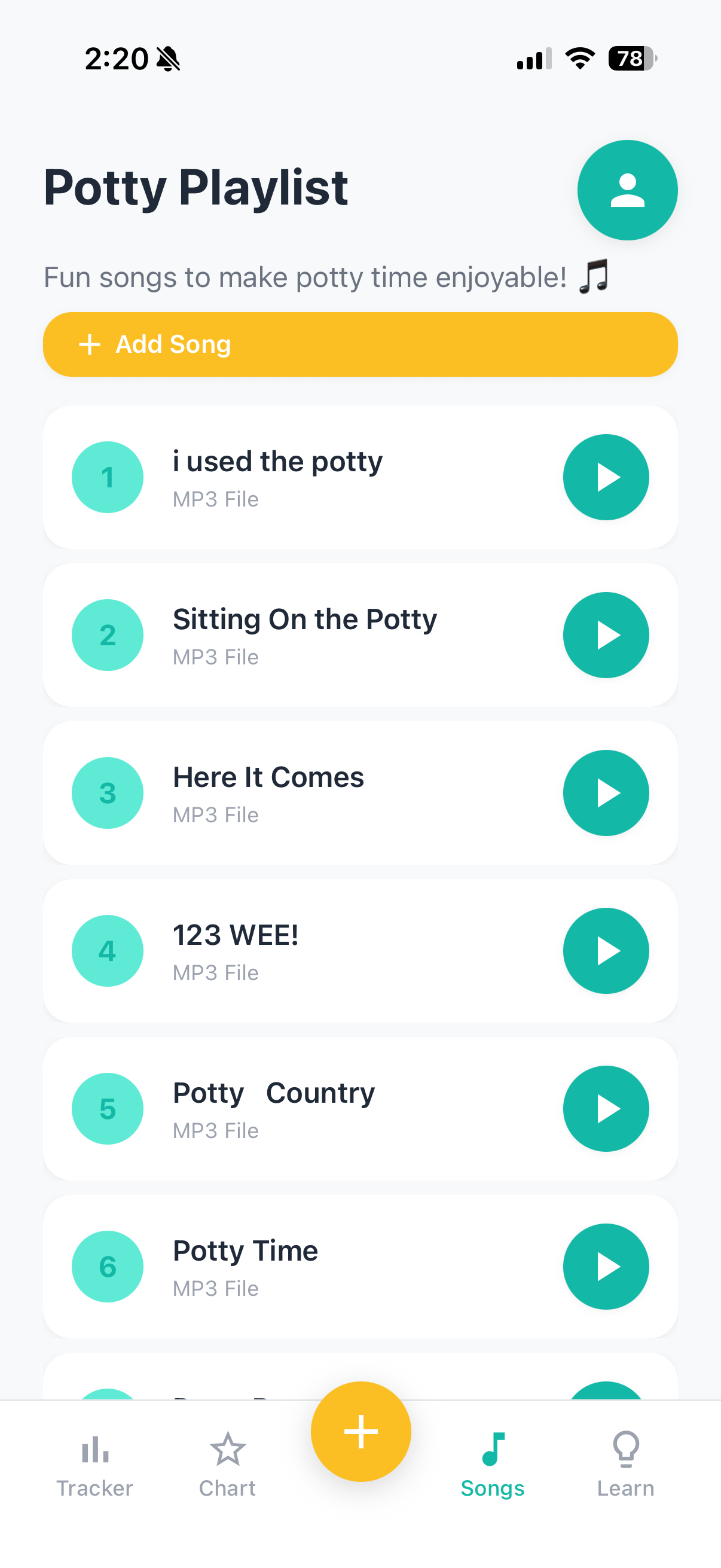
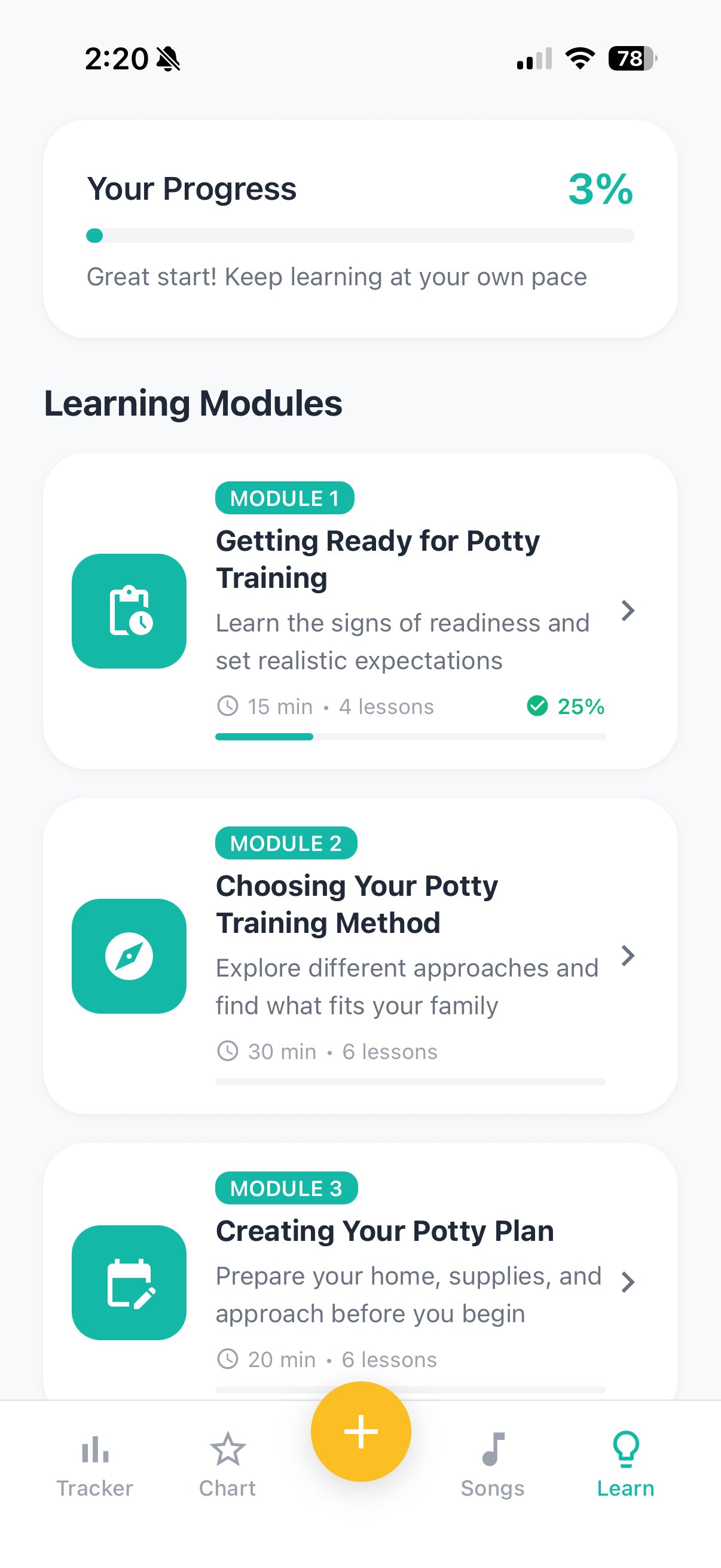
The StarTrack Potty app supports all these strategies with smart reminders, expert lessons from child development specialists, and a library of fun potty training songs that make bathroom time enjoyable.

Ready to Make Potty Training Easier?

Join thousands of parents who have successfully potty trained their toddlers using StarTrack Potty's digital reward chart and comprehensive tracking system.

Download on App Store

Free 3-day trial • No credit card required • Cancel anytime

Common Reward Chart Mistakes to Avoid

Even with the best tools, some common mistakes can derail your progress:

  • Inconsistent rewards: Forgetting to give stars sometimes teaches kids that success doesn't always matter
  • Rewards too far apart: Toddlers need frequent wins. Don't make them collect 50 stars before a reward
  • Focusing only on "perfect" potty visits: Reward attempts and partial successes too
  • Comparing to other children: Every child develops differently. Your timeline is unique
  • Giving up too soon: Potty training typically takes 3-6 months. Patience pays off

Frequently Asked Questions

When should I start using a potty training reward chart?

Introduce the chart on day one of potty training. Let your child see it and understand the system before you expect potty success. This builds excitement and clarity around expectations.

What kind of rewards should I give?

Small, frequent rewards work best: stickers, extra stories, small toys, special snacks, or extra playtime. Avoid food rewards if possible. The star itself is often reward enough for many toddlers!

How long should I use a reward chart?

Most children need reward charts for 2-4 months until potty habits become automatic. Gradually phase out rewards as success becomes routine, but don't stop too abruptly.

Should I take stars away for accidents?

Never remove stars for accidents. Reward charts should only focus on positive reinforcement. Punishing accidents creates shame and can slow progress significantly.

Can I use a reward chart with multiple children?

Absolutely! Digital apps like StarTrack Potty let you create separate profiles for each child, preventing comparison and competition while celebrating each child's individual progress.

Your Potty Training Success Starts with Motivation

Potty training doesn't have to be a months-long battle of wills. With the right motivational tools—whether that's a printable chart or a digital reward system—you can transform this developmental milestone into a positive, celebrated journey.

Remember: your child wants to succeed. They want to please you, they want to feel "big," and they want to be celebrated. A reward chart gives them a clear, visual way to see their progress and stay motivated through the challenging early weeks.

Whether you choose a simple printable chart or a comprehensive digital solution like StarTrack Potty, the most important ingredient is your consistency, patience, and enthusiastic celebration of every small victory. You've got this!

Popular Method

The 3-Day Potty Training Method: Does It Really Work?

10 min read Updated March 2026
Happy parent celebrating with toddler on potty during 3-day potty training method

It's Sunday morning. You've cleared your calendar, stocked up on cleaning supplies, and mentally prepared yourself for three intense days. Your goal? A fully potty-trained toddler by Wednesday. Your weapon of choice? The famous 3-day potty training method.

But here's the question every parent asks before diving in: Does the 3-day potty training method actually work, or is it just another Pinterest promise that falls apart in real life?

The Truth About the 3-Day Method

The answer is both encouraging and nuanced. The 3-day method can absolutely work. Thousands of parents have successfully used this intensive approach.

But success depends entirely on three critical factors: your preparation, realistic expectations, and most importantly, your child's developmental readiness. Without all three, you're setting yourself up for a frustrating weekend that ends in failure.

What Is the 3-Day Potty Training Method?

Here's How the 3-Day Method Works:

1

Your child goes completely diaper-free (or wears underwear only)

2

You stay home and focus entirely on potty training

3

You watch for signs your child needs to go and guide them to the potty

4

You celebrate successes and calmly clean up accidents

5

You repeat this process every 15 to 30 minutes for three full days

The Philosophy: Total Immersion

By removing diapers completely and making potty use the only option, your child learns quickly through repetition and natural consequences.

Why This Method Is So Popular

Parents love the 3-day method because it promises fast results. Instead of dragging potty training out over months, you commit to one intensive weekend and potentially have a potty-trained child by Monday morning.

The method works with your child's natural learning style. Toddlers learn through repetition and immediate feedback. When they feel the urge to go, immediately use the potty, and see results, their brain makes powerful connections.

Additionally, the focused approach prevents the confusion of switching between diapers and potty. Your child clearly understands: diapers are done, potty is the new way.

The Reality: Does the 3-Day Method Really Work?

Here's the truth that many parenting blogs won't tell you: the 3-day method works brilliantly for some children and fails completely for others. Success depends on three critical factors:

1

Your Child's Readiness

The 3-day method only works if your toddler is developmentally ready. Signs of readiness include:

Dry Periods

Staying dry for 2+ hours at a time

Shows Interest

Interest in bathroom or underwear

Follows Instructions

Can follow simple directions

Communication

Tells you when they need to go

Discomfort Awareness

Shows discomfort with dirty diapers

If your child isn't showing these signs, the 3-day method will likely result in three exhausting days with minimal progress.

2

Your Commitment and Consistency

This method requires absolute commitment. You cannot leave the house, get distracted by work emails, or take breaks. You must watch your child constantly, offer the potty frequently, and respond immediately to accidents.

The Commitment Reality

Many parents underestimate this commitment. If you're trying to multitask or dealing with interruptions, the method breaks down quickly. Success requires your full, undivided attention for three consecutive days.

3

Realistic Expectations

The term "3-day potty training" is misleading. Most children who successfully complete this method are:

Daytime Progress

Daytime trained after the three days (with ongoing accidents)

Nighttime Reality

Not nighttime trained (that comes much later)

Ongoing Support

Still needing frequent reminders and assistance

Potential Setbacks

Experiencing regression during stressful times

The Bottom Line

The 3-day method jumpstarts the process—it doesn't complete it. You'll still need consistency and patience in the weeks that follow.

Step-by-Step: How to Do the 3-Day Method

If you've determined your child is ready and you're committed to the process, here's exactly how to implement the 3-day method:

Before Day 1: Preparation Week

  • Buy 15-20 pairs of underwear featuring your child's favorite characters
  • Get a child-sized potty and let your child decorate it
  • Clear your calendar completely for three days
  • Stock up on cleaning supplies, paper towels, and enzyme cleaners
  • Prepare simple meals and snacks
  • Set up a digital reward system or star chart
  • Explain to your child that they're becoming a "big kid" and saying goodbye to diapers

Pro Tip: Track Every Detail Effortlessly

The secret weapon for 3-day method success

The 3-day method requires intense tracking of every potty attempt, success, and accident. Many parents use the StarTrack Potty app to log each instance with a simple tap, track patterns throughout the day, and celebrate successes with digital stars. This data helps you see progress even when it feels discouraging.

One-Tap Logging

Instant Rewards

Pattern Tracking

Day 1: The Learning Day

Morning: Say goodbye to diapers ceremonially. Put them away together. Have your child pick their first pair of underwear and put them on.

Throughout the day:

  • Offer the potty every 15-20 minutes
  • Give plenty of fluids to create more opportunities
  • Celebrate every potty visit, even without results
  • When accidents happen (and they will), stay calm and say, "Oops! Pee goes in the potty. Let's try again."
  • Change underwear immediately after accidents

Evening: You'll be exhausted. That's normal. Track everything so you can see patterns emerging.

Day 2: The Connection Day

Day 2 is typically when the "lightbulb moment" happens. Your child starts recognizing the urge to go and may even tell you or run to the potty independently.

  • Continue offering the potty every 20-30 minutes
  • Watch for signs: squirming, holding genitals, sudden quietness
  • Extend time between potty breaks slightly if your child is having success
  • Expect some accidents still—that's completely normal

Day 3: The Confidence Day

By Day 3, many children are initiating potty visits on their own. You'll still have accidents, but you should see clear improvement.

  • Start extending potty intervals to 45-60 minutes
  • Allow your child to tell you when they need to go
  • Still prompt if they seem distracted or it's been a while
  • Consider a very short outing (15-20 minutes) to test skills outside the home

After Day 3: Maintaining Momentum

The three days are just the beginning. Many parents make the mistake of thinking they're done and then losing all the progress they made.

Here's what happens next:

  • Week 1: Continue staying home as much as possible. Consistency is critical.
  • Week 2: Start short outings (library, park) with the potty in your car
  • Week 3-4: Gradually extend time away from home
  • Months 2-3: Address nighttime training separately (most children aren't ready until age 4-5)

Use a digital tracking system to monitor progress, identify patterns (like morning success rates or afternoon challenges), and celebrate milestones with your child.

Common Mistakes That Sabotage the 3-Day Method

  • Starting before your child is ready: Readiness matters more than age
  • Giving up after accidents: Accidents are part of learning, not failure
  • Switching back to diapers: Consistency is everything. Once you start, commit.
  • Getting angry at accidents: Shame slows progress dramatically
  • Expecting nighttime dryness: That's a separate process that takes much longer
  • Not tracking progress: Without data, you can't see the patterns that guide next steps

Frequently Asked Questions

What's the best age for the 3-day method?

Readiness matters more than age, but most children are ready between 2-3 years old. Starting before 22 months usually results in frustration for everyone.

What if my child has zero successes on Day 1?

This is a sign your child may not be ready. You can continue through Day 2, but if there's still no success, it's okay to pause and try again in a month.

Should I use pull-ups or go straight to underwear?

The 3-day method recommends underwear only. Pull-ups feel too much like diapers and reduce your child's awareness of being wet.

Can I take my child out during the three days?

It's best to stay home entirely for maximum success. If you must leave, keep trips under 15 minutes and bring a portable potty.

What if I can't take three consecutive days off?

The method works best with three full, consecutive days. If that's impossible, consider a modified approach spread over two weekends, but expect slower progress.

Tools That Make the 3-Day Method Easier

The 3-day method is intense and overwhelming. Smart parents use tools to reduce stress and increase success rates:

StarTrack Potty: Built for Intensive Training

During the critical 3-day window, you need quick logging, instant rewards, and pattern tracking. StarTrack Potty gives you:

  • One-tap logging for every potty visit, attempt, and accident
  • Instant star rewards with fun animations to celebrate success
  • Hourly progress charts showing when your child succeeds most
  • Smart reminders so you don't forget to offer the potty

Is the 3-Day Method Right for Your Family?

The 3-day potty training method can work beautifully—but only under the right conditions. It's worth trying if:

  • Your child shows clear signs of readiness
  • You can commit three full, uninterrupted days
  • You have realistic expectations about ongoing accidents
  • You're prepared for the emotional intensity
  • You have tools (like tracking apps) to stay organized

It's probably not the right choice if your child is under 22 months, showing resistance to the potty, or if you can't fully commit to three consecutive days at home.

Remember: there's no "one size fits all" approach to potty training. The 3-day method is one tool in your parenting toolkit. If it doesn't work perfectly, that doesn't mean you've failed—it just means your child might need a different approach or more time.

Whatever method you choose, stay patient, celebrate small wins, and trust that your child will get there. They all do eventually!

Getting Started

10 Signs Your Toddler Is Ready for Potty Training

7 min readUpdated March 2026
Toddler feet on white potty with colorful readiness icons showing stars, charts, and potty training symbols

Your toddler just turned two. Every parenting blog, your mother-in-law, and half the parents at playgroup are asking: "Have you started potty training yet?" The pressure is real, but here's the truth: starting potty training before your child is ready is the fastest path to months of frustration and setbacks.

Readiness isn't about age—it's about developmental milestones. Some children are ready at 18 months; others aren't ready until 3.5 years. Both are completely normal. The key is knowing what to look for.

Why Readiness Matters More Than Age

Potty training before your child is developmentally ready can lead to power struggles, accidents, and regression. When you wait for readiness, training becomes significantly faster and less stressful.

Research shows that children who start potty training when showing readiness signs typically complete training in 3-6 months, while children who start too early can struggle for over a year.

The 10 Key Readiness Signs

Physical Readiness

1

Stays dry for 2+ hours

This shows bladder control is developing. Check diapers every hour for a week to track patterns.

2

Regular, predictable bowel movements

If your child poops around the same time daily, it's easier to catch them on the potty.

3

Shows physical signs of needing to go

Squirming, holding genitals, crossing legs, hiding in corners, or making faces.

4

Can pull pants up and down

Fine motor skills are essential. Practice with elastic waistbands before starting.

Cognitive & Emotional Readiness

5

Understands and follows simple instructions

Can your child follow two-step directions like "Go to your room and get your shoes"?

6

Expresses discomfort with dirty diapers

Tells you they're wet, asks to be changed, or tries to remove dirty diapers independently.

7

Shows interest in bathroom habits

Follows you to the bathroom, asks questions about the toilet, or wants to flush.

8

Can sit still for 2-5 minutes

Potty visits require patience. If your child can't sit through a short book, they may not be ready.

9

Asks to use the potty or wear underwear

Self-initiated interest is the strongest readiness indicator of all.

10

Communicates needs verbally or non-verbally

Uses words, signs, or clear gestures to indicate they need something.

How Many Signs Does Your Child Need?

You don't need all 10 signs to start potty training successfully. Look for:

  • At least 6-7 total signs
  • All 4 physical readiness signs (these are non-negotiable)
  • Clear interest or awareness of bathroom habits

If your child shows fewer than 6 signs, waiting another month or two will save you months of frustration.

Track Readiness with StarTrack Potty

Before you start intensive training, use StarTrack Potty to track your child's dry diaper windows, bowel movement patterns, and interest levels. This data helps you identify the perfect time to start—maximizing your success rate.

Start tracking readiness today →

Red Flags: When to Wait

Some situations make potty training significantly harder. Consider postponing if:

  • Major life changes: new sibling, moving, starting daycare, parents divorcing
  • Your child is going through a defiant phase or frequent tantrums
  • Recent illness or medical issues affecting bowel/bladder control
  • Your child shows fear or anxiety about the toilet
  • You're feeling stressed or overwhelmed (your energy matters!)

Age-Specific Readiness Expectations

18-24 Months

Early readiness is possible but rare. Most children this age lack the cognitive development and communication skills needed. If your child shows signs, you can try, but don't push if they resist.

2-2.5 Years

The most common readiness window. Many children show physical signs and growing interest. This is when most parents successfully start potty training.

2.5-3 Years

Peak readiness for most children. They have better language skills, more bladder control, and stronger desire for independence.

3-4 Years

Still completely normal. Some children (especially boys) aren't ready until closer to age 4. Late starters often train faster once they're ready.

What to Do Once You See Readiness Signs

  1. Don't rush: Wait until you have time to be consistent (no vacations or major events for 2-3 weeks)
  2. Prepare your child: Read potty books, watch potty videos, let them pick out underwear
  3. Gather supplies: Potty chair, step stool, underwear, cleaning supplies
  4. Set up tracking: Use an app to log attempts, successes, and accidents from day one
  5. Choose your method: 3-day intensive, gradual introduction, or child-led approach
  6. Commit fully: Once you start, stay consistent. Switching back and forth confuses toddlers.

My child shows some signs but not all. Should I start?

If they show at least 6 signs including all physical readiness indicators, you can try. Be prepared to pause if you hit strong resistance.

What if my child is 3.5 and shows no readiness signs?

Consult your pediatrician to rule out medical issues. Some children need gentle encouragement to develop interest. Start with low-pressure exposure to the potty.

Can readiness signs disappear?

Yes, during stress, illness, or developmental leaps. If signs disappear, pause training and wait for them to return.

Trust Your Instincts and Your Child's Timeline

Potty training isn't a race. The child who trains at 2 years old isn't "better" than the child who trains at 3.5. What matters is starting when your child is ready, not when society expects it.

By waiting for readiness signs, you're setting both you and your toddler up for a positive, successful experience. And that's worth far more than checking a box on some arbitrary parenting timeline.

Troubleshooting

Potty Training Regression: Why It Happens and How to Fix It

9 min readUpdated March 2026
Parent comforting child during potty training setback

Three weeks ago, your toddler was using the potty perfectly. You celebrated, packed away the diapers, and felt like you'd conquered the biggest parenting challenge. Then, seemingly overnight, the accidents started again. Now you're cleaning up puddles multiple times a day, and you're wondering: what went wrong?

Welcome to potty training regression—one of the most frustrating and confusing parts of the potty training journey. The good news? It's completely normal, almost always temporary, and absolutely fixable.

What Is Potty Training Regression?

Potty training regression occurs when a child who was successfully using the potty starts having frequent accidents again. This can mean wetting pants during the day, nighttime bedwetting after staying dry, or refusing to use the potty altogether.

Regression is different from occasional accidents. All newly trained toddlers have accidents—that's expected. Regression is a clear pattern of backsliding that lasts more than a few days.

Common Causes of Regression

Stress & Major Life Changes

This is the #1 cause of regression. Toddlers express stress through behavior changes, and potty regression is common during:

  • New sibling arrival: Regression often happens when a new baby comes home
  • Moving to a new house: Unfamiliar environments create anxiety
  • Starting daycare or preschool: Major routine changes are overwhelming
  • Parental separation or divorce: Emotional upheaval affects control
  • Loss of a family member or pet: Grief shows up in unexpected ways

Medical Issues

Sometimes regression has a physical cause:

  • Urinary tract infections (UTI)
  • Constipation causing painful bowel movements
  • Diarrhea from illness
  • Diabetes (in rare cases)

If regression is sudden and severe, consult your pediatrician to rule out medical causes.

Power Struggles

Around age 2-3, toddlers discover autonomy. If potty training becomes a battleground, some children regress as a way to assert control. This is especially common if training was rushed or forced.

Developmental Leaps

When toddlers are learning major new skills (walking, talking, climbing), they sometimes "forget" recently learned behaviors like potty use. Their brain prioritizes the new skill.

Simple Distraction

Sometimes kids are just too busy playing to notice the urge to go. This is especially common around age 3 when imaginative play becomes all-consuming.

How to Handle Regression (Without Losing Your Mind)

The Golden Rules

Stay Calm and Patient

Anger, punishment, or showing disappointment will only make regression worse. Your child isn't doing this on purpose.

Don't Go Back to Diapers

Unless your pediatrician recommends it, stay in underwear. Diapers send the message that regression is acceptable.

Increase Reminders Temporarily

Go back to scheduled potty breaks every 60-90 minutes until consistency returns.

Reinstate Rewards

Even if you phased out rewards, bring them back temporarily. Stars, stickers, or small prizes rebuild motivation.

Step-by-Step Regression Recovery Plan

  1. Identify the trigger: What changed recently? New routine, stress, illness? Understanding the cause helps you address it.
  2. Have a calm conversation: Ask your child if something is bothering them. Sometimes they can articulate fears or concerns.
  3. Reset expectations: Tell your child, "We're going to practice using the potty again, just like we did before. You can do this!"
  4. Implement a schedule: Take your child to the potty every 60-90 minutes, whether they say they need to or not.
  5. Track everything: Log accidents and successes to identify patterns. Are accidents happening at certain times? In certain places?
  6. Celebrate small wins: Every successful potty visit deserves enthusiastic praise, even if they were having success weeks ago.
  7. Address the root cause: If a new sibling is the issue, create special one-on-one time. If it's daycare, coordinate with teachers.

Use StarTrack Potty to Identify Regression Patterns

When regression hits, tracking becomes more important than ever. StarTrack Potty's analytics show you exactly when accidents happen, helping you identify triggers you might miss. Is your child regressing only at daycare? Only in the afternoon? Only when overtired? Data reveals the answer.

Track regression patterns with our free trial →

When to Worry About Regression

Most regression resolves within 2-4 weeks with consistency. However, contact your pediatrician if:

  • Regression lasts more than 6 weeks
  • Your child shows pain during urination or bowel movements
  • There's blood in urine or stool
  • Your child develops a fever alongside accidents
  • Regression includes new bedwetting after 6+ months of nighttime dryness
  • Your child seems fearful or anxious about the toilet

Preventing Future Regression

While some regression is inevitable, you can reduce its likelihood:

  • Prepare for changes: Before big transitions, talk about them and maintain potty routines
  • Keep routines consistent: Even on weekends and vacations, stick to similar potty schedules
  • Don't pressure: Forced potty training often leads to later regression
  • Maintain rewards longer: Don't phase out stars/rewards too quickly
  • Stay positive: Create an environment where accidents aren't shameful

Should I go back to diapers during regression?

Generally, no. Pull-ups for outings are okay temporarily, but staying in underwear at home maintains the expectation that potty use is the norm.

How long does potty training regression usually last?

Most regression resolves in 1-4 weeks with consistent handling. If it lasts longer, look deeper into potential causes.

My child was fully trained for months and now is regressing. Why?

Even after months of success, major stress or change can trigger regression. It doesn't mean you failed—it means your child is processing something difficult.

This Too Shall Pass

Potty training regression feels devastating when you thought you were done. But here's the truth: nearly every potty-trained child experiences some form of regression. It's part of the process, not a sign of failure.

Stay consistent, stay patient, and trust that your child will get back on track. With the right support and approach, most regression is temporary and resolves quickly. You've taught your child this skill once—you can absolutely guide them through relearning it.

Schedules & Timing

Potty Training Schedule by Age: When and How to Start

Organized potty training schedule

Timing is everything in potty training. Start too early and you'll face months of resistance. Wait too long and you risk daycare deadlines or preschool requirements. So when exactly should you start, and what does a realistic potty training schedule look like?

Age-Specific Potty Training Schedules

18-24 Months: Early Introduction

Most children aren't ready for full training, but you can introduce concepts:

  • Read potty books together
  • Let them watch family members use the bathroom
  • Introduce the potty as furniture (no pressure to use)
  • Practice sitting fully clothed

2-2.5 Years: Peak Readiness Window

This is when most children show readiness signs. Your schedule might look like:

  • Week 1-2: Introduce underwear, sit on potty every 60-90 minutes
  • Week 3-4: Extend to 2-hour intervals, celebrate all successes
  • Month 2: Child-initiated visits increase, accidents decrease
  • Month 3-6: Occasional accidents, building independence

Use StarTrack Potty to customize your schedule based on your child's unique patterns. The app tracks dry windows and successful times, helping you create an optimized schedule.

Behavior Solutions

How to Potty Train a Stubborn Toddler: 7 Proven Strategies

Determined toddler crossing arms

Your toddler refuses to sit on the potty. They scream "NO!" when you suggest trying. They'll hold it for hours rather than use the toilet. You're exhausted, frustrated, and wondering if your child will ever be potty trained.

Stubborn toddlers aren't being difficult to spite you—they're asserting independence. Here's how to work with their strong will instead of against it.

7 Strategies That Actually Work

1. Give Them Control

Let your toddler choose their potty, pick underwear designs, and decide when to try. Frame it as their idea, not yours.

2. Make It Fun, Not a Fight

Sing songs, read books, watch potty videos. Stubbornness melts when training feels like play instead of a power struggle.

3. Use Peer Influence

Arrange playdates with potty-trained friends. Children often accept behavior from peers they resist from parents.

4. Reward Immediately and Generously

Stubborn children need BIG motivation. Use a digital star chart with instant rewards and exciting celebrations for every success.

5. Take a Break If Needed

If training becomes a daily battle, pause for 2-4 weeks. Often stubbornness decreases when pressure is removed.

6. Never Punish or Shame

With stubborn toddlers especially, punishment backfires dramatically. They'll dig in harder out of principle.

7. Use Technology to Your Advantage

Stubborn toddlers love screens. Use apps like StarTrack Potty where they can tap to add their own stars, making them feel in control of their progress.

StarTrack Potty: Perfect for Strong-Willed Toddlers

Our app puts your child in the driver's seat with:

  • Toddler-friendly interface they can interact with
  • Fun animations that make success exciting
  • Potty songs that reduce resistance
Advanced Training

Potty Training at Night: When to Ditch the Pull-Ups

Peaceful sleeping child

Your child has been dry during the day for months. But every morning, you're still changing wet pull-ups. When will nighttime dryness happen? And should you be doing something differently?

Nighttime Training Is Different

Here's what many parents don't realize: nighttime potty training is completely separate from daytime training. It's not a skill you teach—it's a physical developmental milestone that happens when your child's body is ready.

Most children achieve nighttime dryness between ages 4-7. Some as early as 3, others not until 8 or 9. All are completely normal.

Signs Your Child Is Ready for Nighttime Training

  • Waking up dry most mornings for 2+ weeks
  • Staying dry during 2-3 hour naps
  • Waking to use the potty at night
  • Asking to try without pull-ups

What to Do If Your Child Isn't Ready

If your child is over 5 and still wet most nights:

  • Limit fluids 2 hours before bed
  • Empty bladder right before sleep
  • Consider a bedwetting alarm (age 7+)
  • Consult pediatrician if concerned

Most importantly: don't rush nighttime training. Pull-ups at night are fine even if your 4-year-old is fully daytime trained. Night dryness will come when their body is ready.

Essential Tips

15 Potty Training Tips That Actually Work (From Real Parents)

Happy parent and toddler high-fiving

Forget the Pinterest-perfect potty training advice that never works in real life. These are the strategies real parents swear by—the ones that actually got their toddlers trained.

The Tried-and-True Tips

1

Ditch the pants entirely

Naked from waist down = fastest learning. They feel wetness immediately.

2

Stay home for 3 days

Cancel everything. Potty training requires total focus and zero distractions.

3

Use a timer, not reminders

Set a timer for potty breaks. Reduces nagging and power struggles.

4

Invest in a good potty seat

Character-themed seats make the potty exciting, not scary.

5

Celebrate like crazy

Dance, cheer, high-five. Your excitement is contagious and motivating.

6

Track everything

Use StarTrack Potty to see patterns you'd never notice otherwise.

More Game-Changing Tips:

  • Let them pick underwear: Ownership = motivation
  • Make cleanup their job: Natural consequences teach faster
  • Use backward chaining: Let them flush, wash hands first
  • Read potty books daily: Normalizes the process
  • Try target practice: Cheerios in toilet for boys
  • Stock enzyme cleaner: Regular cleaners don't remove urine smell
Common Problems

Why Kids Refuse to Potty Train (And What to Do About It)

Frustrated toddler

Your child is the "right age." They show readiness signs. But the moment you mention the potty, they shut down completely. What's going on, and how do you move forward?

The Real Reasons Behind Refusal

Fear

The toilet is loud, big, and unfamiliar. Some toddlers fear falling in or being flushed away. Solution: Start with a small potty, let them flush toys, show them they're safe.

Loss of Control

Toddlers are discovering autonomy. Potty training is something you want, so they resist. Solution: Make it their idea. Give choices and control over the process.

Not Actually Ready

Just because they're 2.5 doesn't mean they're ready. Some children need more time. Solution: Take a break and revisit in a month.

Sensory Issues

The feeling of sitting on cold plastic or hard toilet seats can be overwhelming. Solution: Try different potty styles, add soft covers, ensure comfort.

Break the Refusal Cycle

When training becomes a battle, step back completely for 2-4 weeks. During this break, use StarTrack Potty to casually track dry windows and interest moments—without pressure. This data tells you when to try again.

Start tracking without pressure →
Motivation

10 Potty Training Rewards That Actually Motivate Toddlers

Excited toddler with reward stickers

Verbal praise alone isn't enough for most toddlers. They need tangible rewards to stay motivated through the challenging early weeks. But which rewards actually work?

The Top 10 Rewards That Work

1. Digital Star Charts

Modern toddlers respond to screens. Apps like StarTrack Potty with animated stars and sounds are more engaging than paper stickers.

🍬

2. Small Candies (Use Sparingly)

One M&M or jelly bean per success. Phase out within 2-3 weeks to avoid dependence.

📚

3. Extra Story Time

Each potty success = one extra bedtime story. Quality time + positive reinforcement.

🎵

4. Special Potty Songs

StarTrack Potty includes fun potty songs that celebrate success—kids love them!

🎮

5. Screen Time Tokens

5 successes = 15 minutes of favorite show. Delayed gratification builds patience.

🎉

6. Celebration Dance Parties

Put on a favorite song and dance together after every potty success. Free and fun!

Why StarTrack Potty's Rewards Work Best

Our digital reward system combines multiple effective strategies:

  • Instant visual reward (stars appear immediately)
  • Exciting sounds and animations toddlers love
  • Progress tracking so kids see their achievements grow
  • Milestone celebrations at 5, 10, 25, 50 successes

Rewards to Avoid

  • Big expensive toys: Creates unsustainable expectations
  • Removing rewards for accidents: This is punishment, not motivation
  • Comparing to other children: Every child's timeline is unique

The best rewards are immediate, exciting, and sustainable long-term. Digital star systems check all three boxes!

⭐ Premium Potty Training Solution

Tracking Every Step to Potty Success

Empower your potty training journey with data-driven insights, expert guidance, and a rewarding star system that makes success fun for the whole family.

0
Downloads
0
Average Rating
0%
Success Rate

What Parents Are Saying

Everything You Need for Potty Success

Comprehensive features designed by child development experts to make potty training effective, engaging, and stress-free.

Effortless Daily Tracking

Log every activity with a single tap. Track pees, poops, attempts, and accidents with timestamps. Add optional notes for context and patterns.

Rewarding Star System

Celebrate every success with stars! Visual progress charts motivate children and make potty training fun. Set custom milestone rewards for major achievements.

Data-Driven Insights

Beautiful graphs and analytics reveal patterns you'd miss on paper. Identify peak times, success trends, and areas needing attention with weekly progress reports.

Multi-Child Profiles

Managing multiple children? No problem. Create separate profiles with custom avatars. Track each child's unique journey and compare progress side-by-side.

Expert Guidance

Access professional lessons and tips from child development specialists. Step-by-step instructions for every stage, from readiness to nighttime training.

Smart Reminders

Never miss a potty break with customizable reminders. Set schedules based on your child's routine and receive gentle notifications throughout the day.

Fun Potty Songs

Make potty time entertaining with our library of original potty training songs. Catchy tunes that teach concepts and make sitting on the potty enjoyable.

Cloud Sync

Your data is always secure and synced across all your devices. Share access with caregivers, grandparents, or daycare providers for consistent tracking.

Privacy & Security

COPPA compliant and built with your family's privacy in mind. Bank-level encryption, secure authentication, and complete data control at your fingertips.

See StarTrack Potty in Action

Watch how easy it is to track, reward, and celebrate potty training success

Our Story

About StarTrack Potty

Transforming a challenging milestone into a celebrated journey

Created by Parents

StarTrack Potty was born from real parenting experience. We've been through the struggles, the setbacks, and the victories. Our mission is to turn this important milestone into a positive, data-driven journey that celebrates every success.

Expert-Backed Approach

Built with input from child development specialists, we combine proven potty training techniques with modern technology to give you the insights, tools, and confidence you need to succeed.

Privacy First

Bank-level encryption and complete data control

COPPA Compliant

Designed with children's safety in mind

Made with Love

Thoughtfully crafted for families

Join thousands of families who have made potty training a positive experience with StarTrack Potty. We're committed to supporting you every step of the way on this important developmental journey.